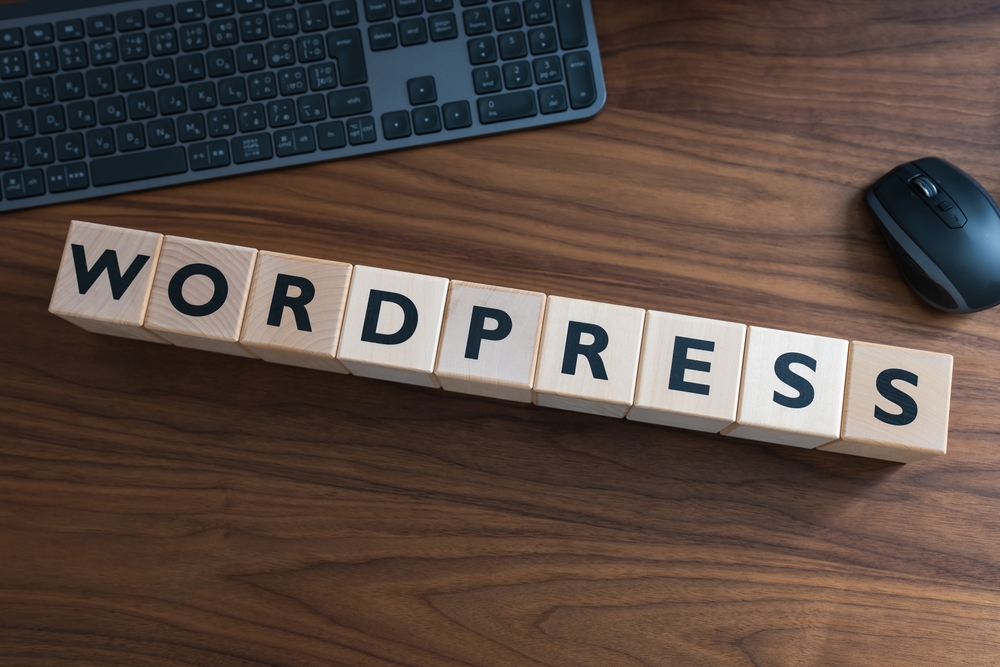
Are you looking to start a blog but not sure where to begin? Or maybe you have a blog but are struggling to grow your audience and increase engagement. Blogging weblog can be a powerful tool for building your personal brand, driving traffic to your website, and establishing yourself as an authority in your niche. In this ultimate guide to blogging, we will cover everything you need to know to start a successful blog and take it to the next level.
Choosing a Niche
One of the first steps in starting a blog is choosing a niche. Your niche is the topic or subject that your blog will focus on. It's important to choose a niche that you are passionate about and that you have expertise in. This will make it easier for you to consistently create blog site high-quality content that resonates with your audience. Consider what topics interest you and what you are knowledgeable about, and use that to guide your decision on a niche for your blog.
Creating Quality Content
Creating high-quality content is essential for the success of your blog. Your content blog should be informative, engaging, and well-written. Make sure to write in a clear and concise manner, and use proper grammar and spelling. Use a mix of text, images, and videos to keep your audience interested and engaged. It's also important to update your blog regularly with fresh content to keep your readers coming back for more.
Promoting Your Blog
Once you have created quality content for your blog, it's time to promote it to attract readers. weblog website There are many ways to promote your blog, including social media, email marketing, and search engine optimization. Use social media platforms like Facebook, Twitter, and Instagram to share your blog posts and engage with your audience. Email marketing is another effective way to promote your blog and keep your subscribers informed about new content. Lastly, optimize your blog for search engines by using relevant keywords in your content and meta tags.
Engaging with Your Audience
Building a loyal audience is key to the success of your blog. Engage with your readers by responding to comments, asking for feedback, and hosting giveaways or contests. Encourage your audience to share your content with their friends and family to increase your reach. You can also collaborate with other bloggers in your niche to cross-promote each other's content and reach a wider audience.
Monetizing Your Blog
Once you have built a strong following for your blog, you can start thinking about monetizing it. There are many ways to make money from your blog, including affiliate marketing, sponsored posts, selling digital products, and displaying ads. Choose the monetization methods that align with your niche and audience, and be transparent with your readers about any sponsored content or affiliate links. Remember, building trust with your audience is crucial for long-term success.
Frequently Asked Questions
Q: How often should I post on my blog?
A: It's important to post consistently on your blog to keep your audience engaged. Aim for at least one new post per week, but you can increase or decrease the frequency based on your niche and audience preferences.
Q: How long should my blog posts be?
A: The length of your blog posts can vary blog website depending on your niche and content. Aim for a minimum of 500 words per post, but longer posts tend to perform better in search engines.
Q: How can I drive traffic to my blog?
A: There are many ways to drive traffic to your blog, including social media promotion, email marketing, search engine optimization, and collaborating with other bloggers. Experiment with different strategies to see what works best for your blog.
Q: Should I use images in my blog posts?
A: Yes, using images in your blog posts can make them more visually appealing and engaging for your readers. Make sure to use high-quality images that are relevant to your content.
Q: How do I know if my blog is successful?
A: The success of your blog can be measured in various ways, including website traffic, engagement metrics (such as comments and social shares), email subscribers, and revenue generated. Set specific goals for your blog and track your progress regularly to determine its success.
Other useful resources